

Robotic Simulation: Powering the Next Era of Physical AI
What if you could train robots millions of times before they ever touch real hardware...

In advanced robotics, progress used to be gated by hardware. If you wanted to test a new locomotion policy, manipulation strategy, or perception stack, you needed time on a real robot which is expensive, fragile, and slow to iterate.
That paradigm is shifting. Modern physics-based simulation engines like Isaac Sim and MuJoCo are transforming how robots are designed, trained, and deployed. They’re no longer just visualisation tools but rather foundational infrastructure for physical AI.
From Virtual Worlds to Real-World Performance
At a high level, advanced simulators provide high-fidelity digital environments where robots can interact with realistic physics: contact forces, friction, joint dynamics, deformable objects, and sensor noise.
This matters because robotics is ultimately about interaction with the physical world. A grasping model that works in theory fails if it can’t account for slip. A legged robot trained without accurate contact modelling will stumble on uneven terrain. Modern engines now simulate these nuances with increasing precision, enabling reinforcement learning and control policies to train in millions of simulated episodes before ever touching hardware.
The result? Faster iteration cycles, lower development costs, and dramatically reduced risk.
Scaling Physical AI
What makes tools like Isaac Sim and MuJoCo particularly powerful is their role in scaling AI training. Robotics teams can now:
- Train policies in parallel across thousands of simulated environments
- Generate synthetic sensor data for perception systems
- Stress-test edge cases that would be dangerous or impractical in the real world
- Prototype entirely new robot morphologies before building them
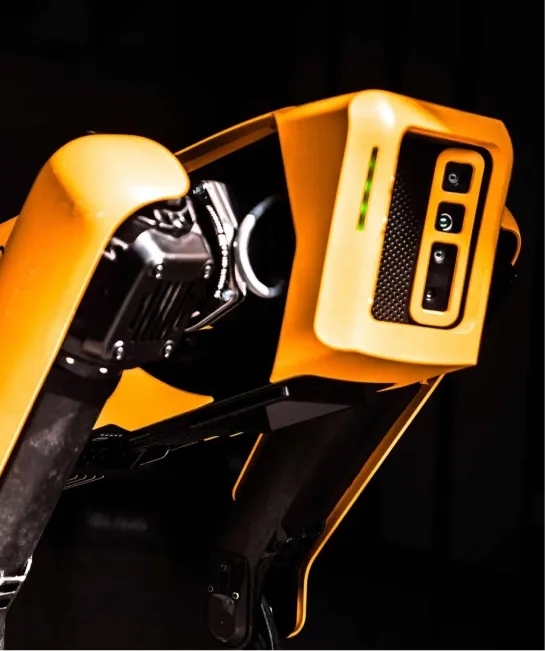
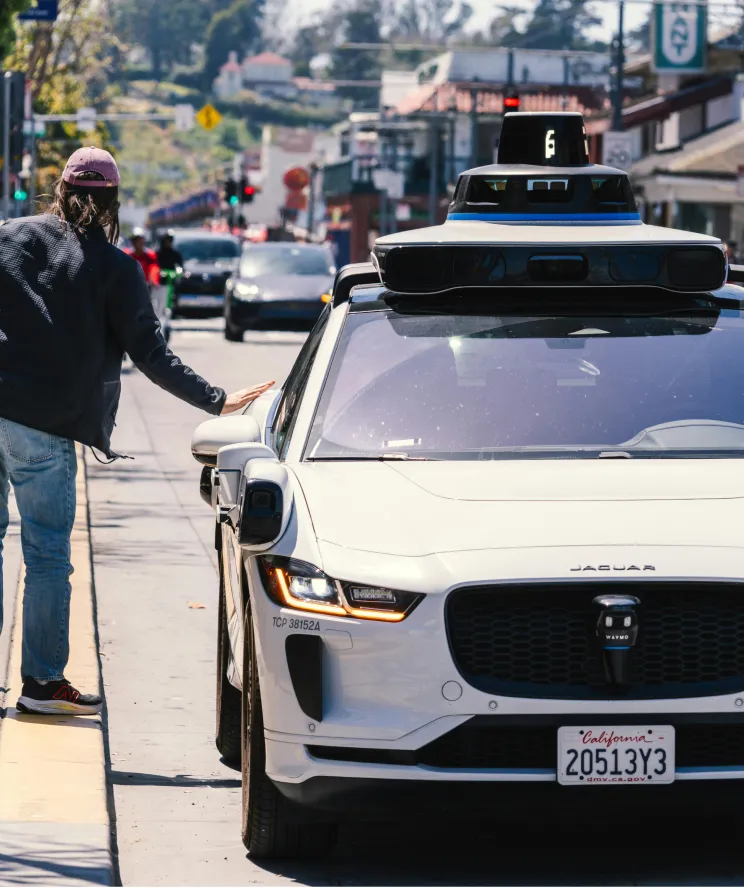
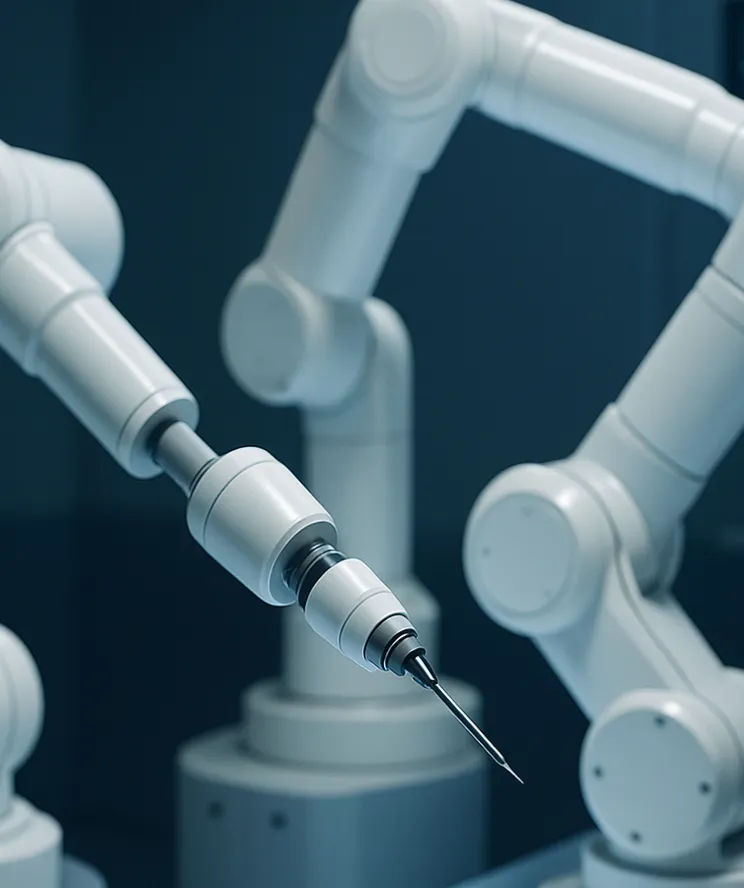
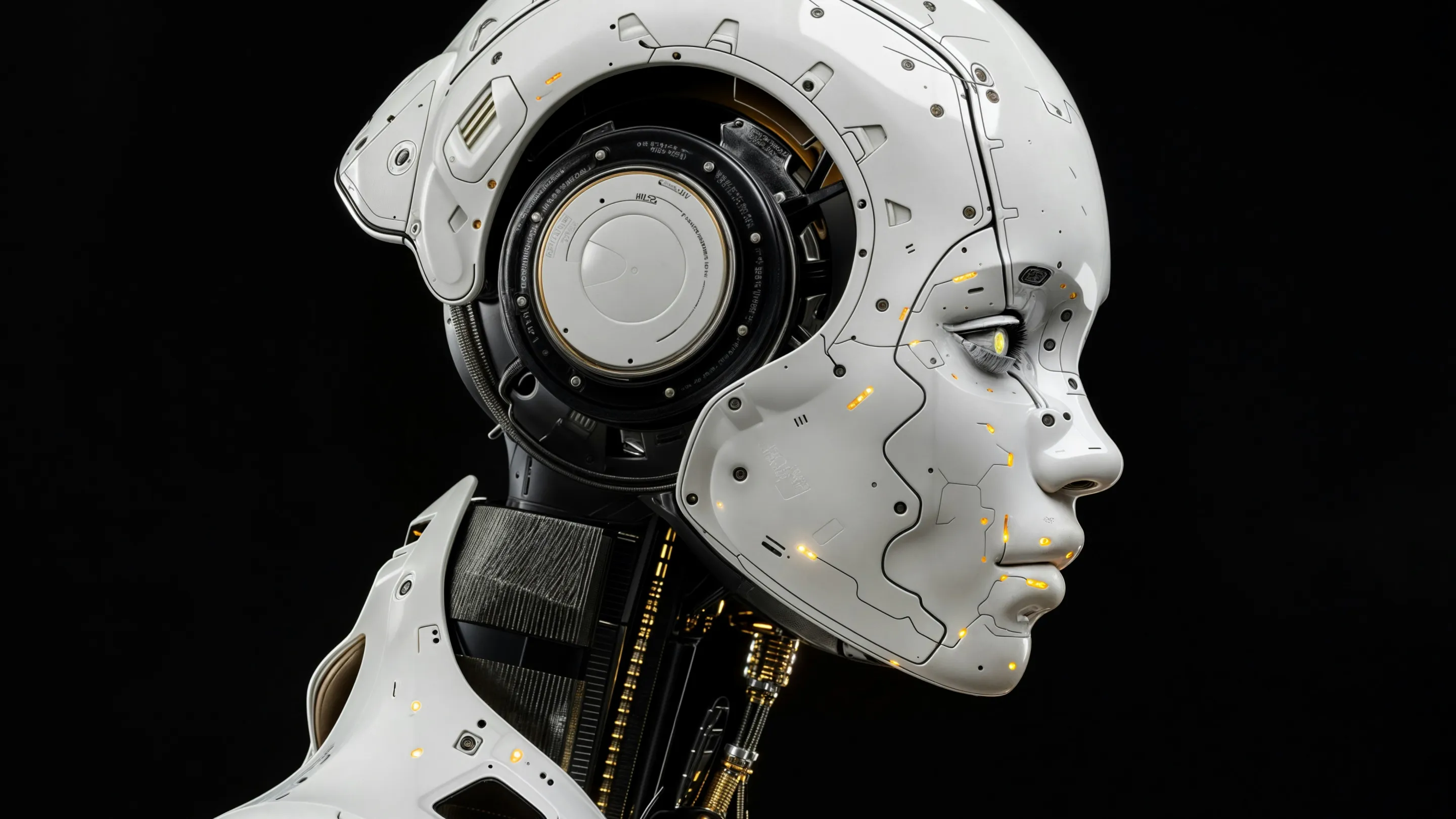
For companies building autonomous mobile robots, humanoids, or industrial manipulators, simulation is becoming as critical as the robot itself. It’s the proving ground where autonomy matures before deployment.
Bridging the Sim-to-Real Gap
Of course, like everything, simulation isn’t perfect. The industry continues to wrestle with the “sim-to-real” gap and the inevitable differences between virtual physics and messy reality. But advances in domain randomisation, improved material modelling, and better sensor simulation are steadily narrowing that divide.
The goal isn’t a flawless digital twin. It’s a training and validation environment robust enough that when policies transfer to hardware, they generalise.
A Foundational Shift
We’re entering an era where robotics development looks increasingly like software development. Physical AI is being prototyped, tested, and refined in simulation before moving to hardware.
For organizations pushing the boundaries of advanced robotics, simulation is no longer optional, it’s strategic infrastructure. And as physics engines continue to improve, the line between virtual experimentation and real-world capability will only get thinner.
The robots of tomorrow will still operate in the physical world. But increasingly, they’ll be born in simulation.
If you’re looking to build and scale a team of expert simulation engineers across Europe and North America, reach out to david@akkar.com who can introduce you to some of the best talent in the market!
Interested in working with us?
Reach out to us, and our team will connect with you within 24 hours.