

Why Actuator Design Engineers Are the Hidden Bottleneck in Robotics Hiring
Everyone in robotics is talking about AI, perception, and autonomy. But, one of the biggest hiring constraints isn’t software...

Everyone in robotics is talking about AI, perception, and autonomy. But increasingly, one of the biggest hiring constraints isn’t software, it’s mechanical capability. Specifically: actuator design.
Actuators: The “Muscles” Everyone Overlooks
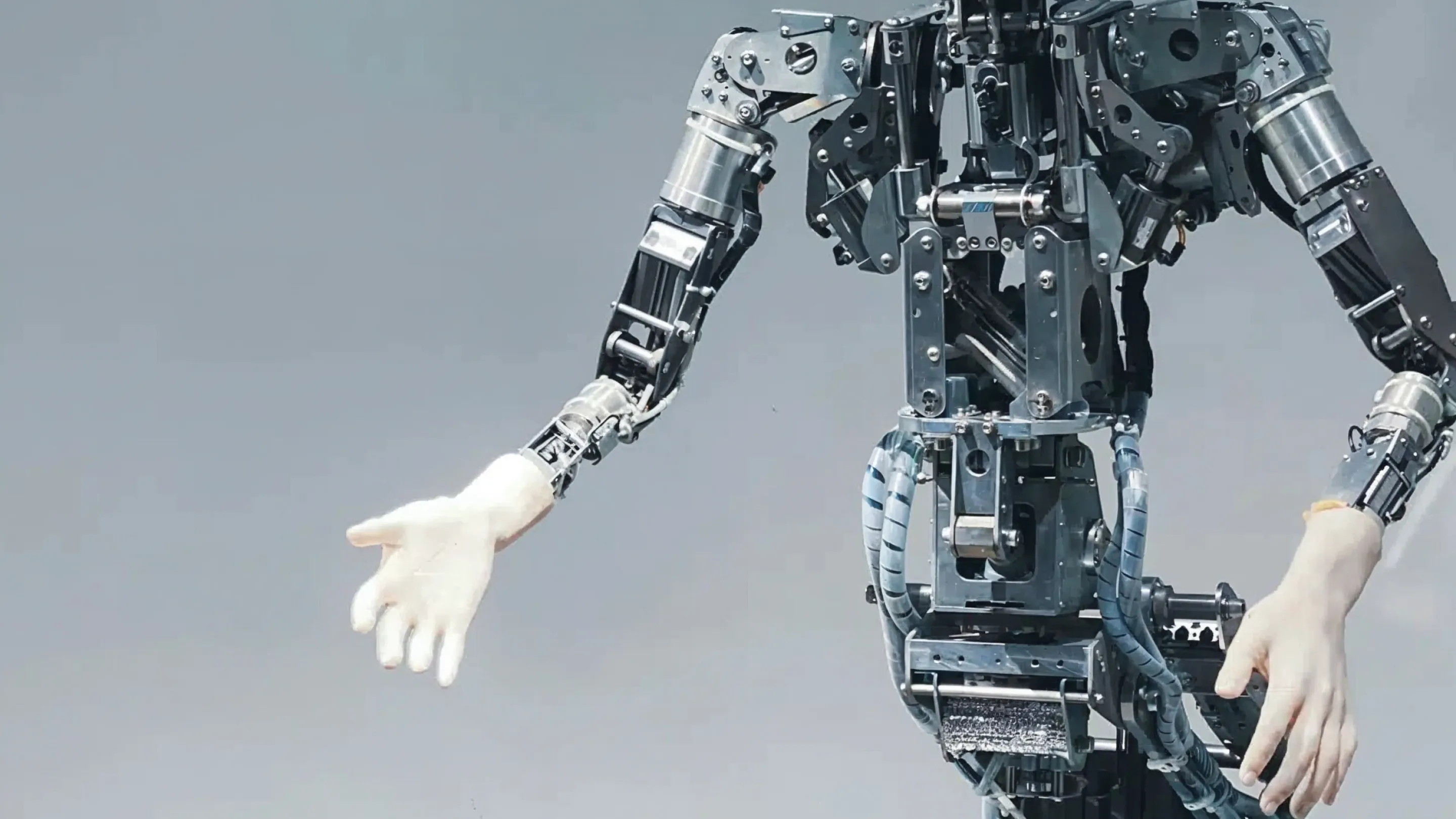
Actuators are what make robots move, converting energy into motion. They are the “muscles” of a robot.
Yet actuator design talent is highly niche.
Most robotics companies:
- Buy off-the-shelf solutions
- Integrate them into systems
- Optimise around constraints
That works… until it doesn’t.
The Shift Happening in 2026
We’re now seeing a clear shift:
- Humanoids → dozens of highly optimised actuators
- Legged systems → high torque density + shock resistance
- Cobots & HRI → backdrivability and compliance
- Mobile manipulation → speed + precision
Modern humanoids can require 25–30 actuators per system, all needing precision, efficiency, and reliability.
Off-the-shelf solutions are struggling to meet these competing demands.
Why This Skillset Is So Rare
Hiring managers consistently say:
“We can find people who integrate actuators… but not people who design them.”
The difference is significant.
Integration engineers:
- Select motors/gearboxes
- Package systems
- Work on controls + system optimisation
Actuator design engineers:
- Design gear trains (planetary, harmonic, cycloidal)
- Own bearing selection and load paths
- Optimise torque density, efficiency, backlash
- Handle tolerances and manufacturability
- Balance thermal, structural, and dynamic constraints
This is deep mechanical engineering and difficult to master.
The Core Engineering Challenges
From what I’m seeing, the hardest problems include:
1. Torque vs Speed Robots must be both strong and fast, designing for both is non-trivial.
2. Backlash vs Efficiency Higher torque often increases backlash. Precision demands the opposite.
3. Power Density Maximum output in minimal space, critical in humanoids and quadrupeds.
4. Backdrivability & Compliance Essential for safe human interaction without losing control.
5. Thermal & Durability Constraints Actuators face continuous loads, shock, and heat challenges.
Where This Talent Actually Comes From
Often not robotics.
Strong profiles typically come from:
- Aerospace
- Automotive (EVs)
- Industrial automation
- Medical devices
- Defence
These sectors develop the same fundamentals: precision, efficiency, and reliability under constraint.
Why Off-the-Shelf Is No Longer Enough
Off-the-shelf actuators are:
- Faster to deploy
- Lower upfront cost
But they limit:
- Performance optimisation
- Packaging flexibility
- Product differentiation
Actuator design is becoming a core IP layer, not just a component choice.
What I’m Seeing as a Recruiter
Right now, actuator design is:
- One of the hardest skillsets to hire
- One of the most impactful hires in a robotics team
- Often the difference between prototype and scalable product
Yet it remains underrepresented in hiring strategies.
Final Thought
Robotics has been software-first for the past decade.
The next wave, especially in humanoids and advanced automation, will be defined by hardware performance.
And at the centre of that is actuator design.
If you’re hiring in robotics or looking to build actuator design capability, it’s worth rethinking where this talent comes from.
To discuss how Akkar can support your hiring strategy, reach out to jbutler@akkar.com.
Interested in working with us?
Reach out to us, and our team will connect with you within 24 hours.