

Silicon Meets Autonomy: The New AI Compute Race
The AI chip market is entering a major growth phase, with the US and EMEA becoming key regions...

The AI chip market is entering a major growth phase, with the US and EMEA becoming key regions driving innovation across robotics, mobility, and autonomous systems.
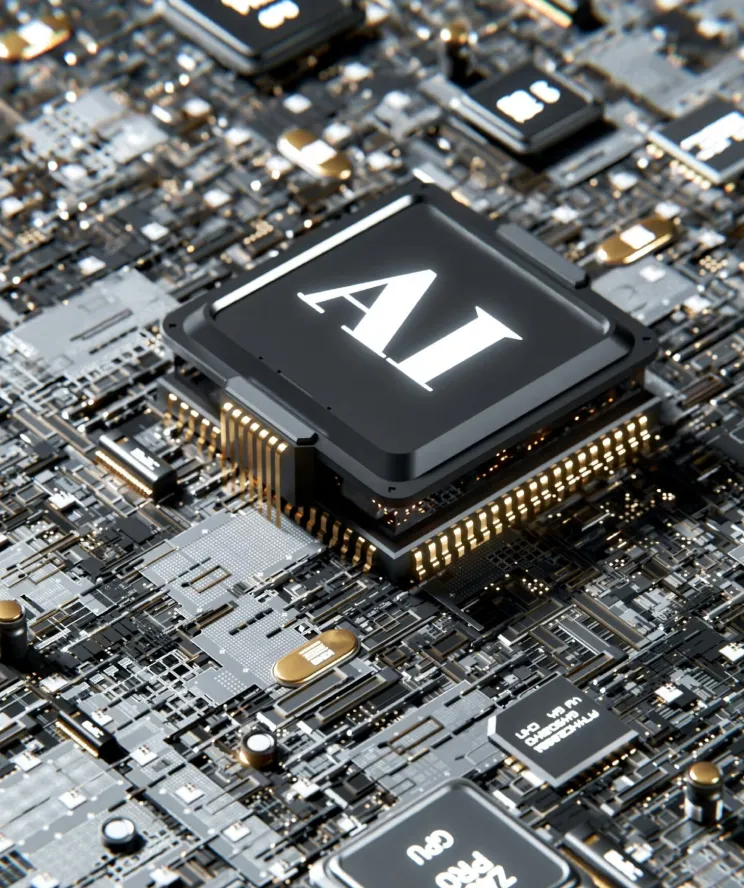
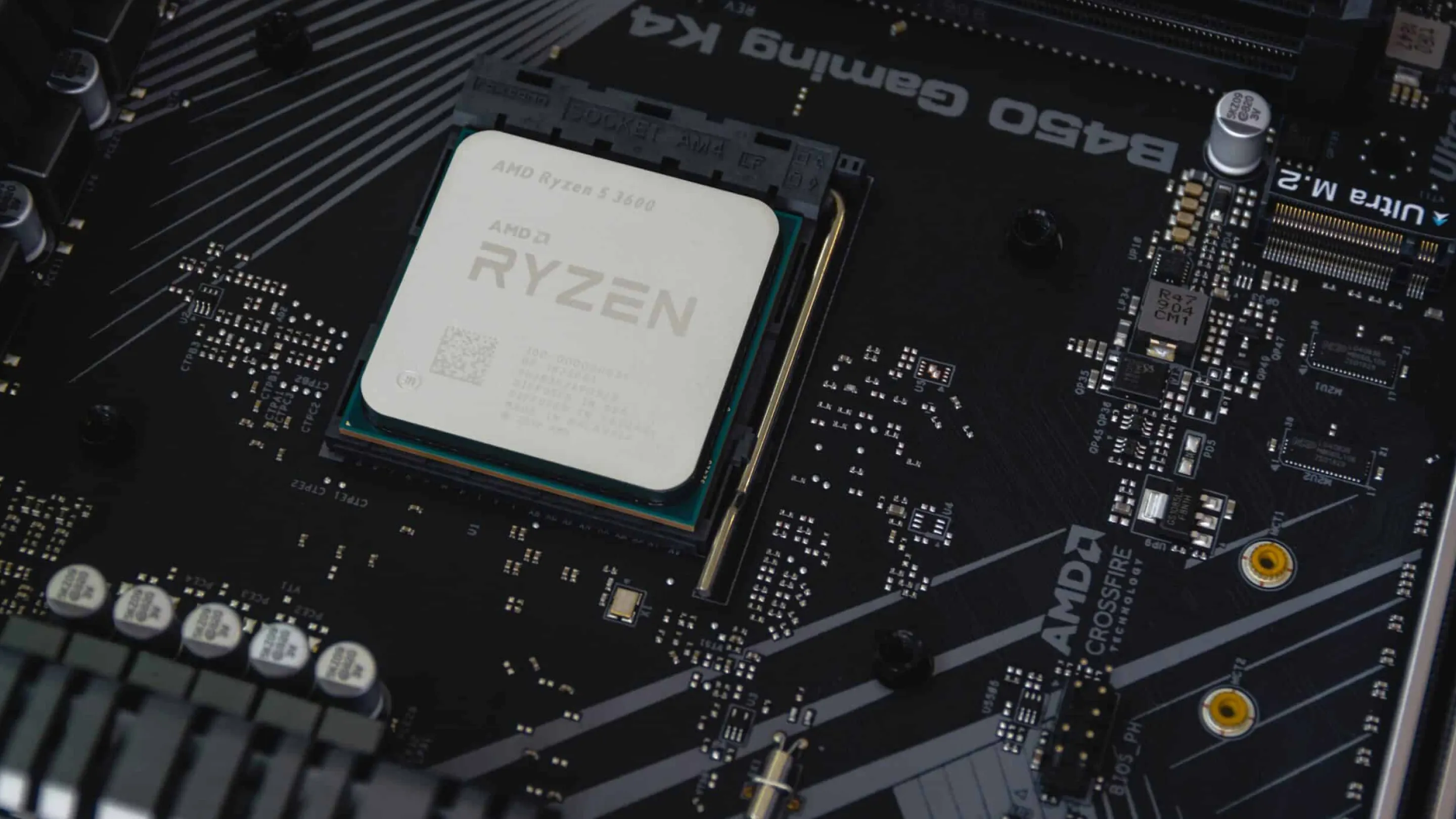
As AI moves beyond the cloud and into the physical world, specialised AI chips are becoming essential infrastructure. Traditional CPUs and GPUs are no longer enough to handle the growing demands for real-time inference, low latency, and energy-efficient edge computing. In response, semiconductor companies and OEMs are investing heavily in next-generation AI accelerators designed specifically for intelligent machines.
Key Market Drivers
Robotics & Intelligent Machines
Robotics is quickly becoming one of the largest growth areas for AI compute.
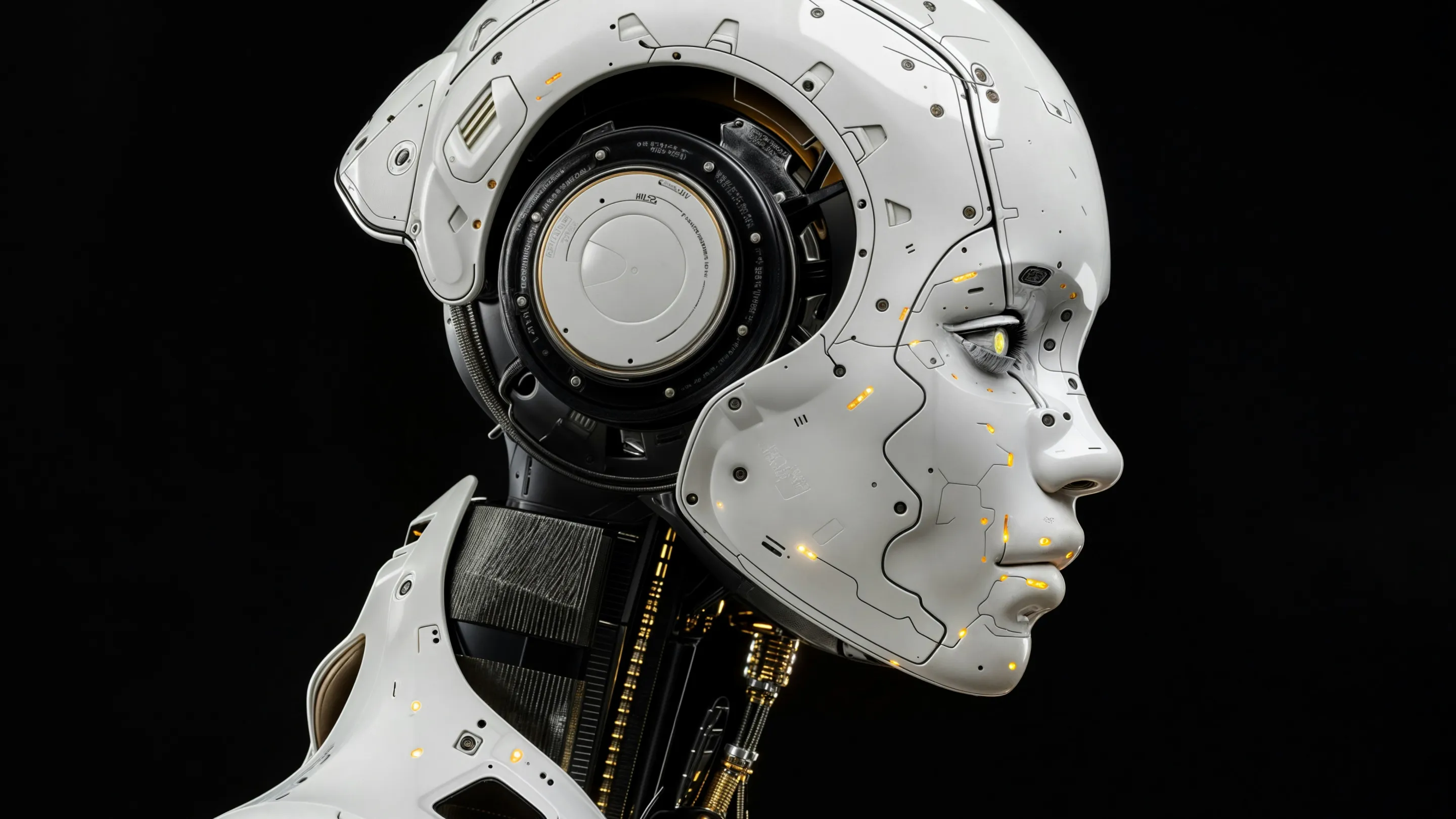
From humanoid robots and collaborative robot arms to autonomous mobile robots (AMRs) and warehouse automation systems, modern robotics platforms require enormous processing power to operate in dynamic environments.
AI accelerators enable robots to process:
- Computer vision
- Sensor fusion
- Motion planning
- Voice and language inputs
- Real-time environmental awareness
Humanoid robotics in particular is accelerating demand for high-performance edge AI chips capable of balancing compute power with strict thermal and energy constraints.
At the same time, AI-enabled robot arms are becoming increasingly adaptive, moving beyond repetitive programmed tasks toward flexible assembly, inspection, and material handling applications.
Mobility & Automotive
The mobility sector is rapidly becoming one of the most compute-intensive industries globally.
Modern vehicles now rely on AI accelerators to process data from cameras, radar, LiDAR, GPS, and driver monitoring systems in real time.
These chips are fundamental for supporting:
- Advanced driver assistance systems (ADAS)
- Autonomous driving functions
- Fleet optimisation
- Intelligent mobility platforms
Both US and European automotive ecosystems are investing heavily in scalable, automotive-grade AI compute architectures capable of supporting future software-defined vehicles and over-the-air AI updates.
Emerging Trends
Edge AI & Real-Time Processing
A major industry shift is taking place from cloud-dependent AI toward local edge inference. Running AI directly on devices reduces latency, improves reliability, and enables real-time autonomous decision-making.
Modular & Chiplet Architectures
Chiplet-based semiconductor designs are emerging as a major trend, allowing companies to customise performance and scalability across robotics and automotive applications.
AI Sovereignty & Supply Chains
Governments across the US and Europe are increasing investment into domestic semiconductor manufacturing and AI infrastructure as competition for AI leadership intensifies globally.
Final Thoughts
The next wave of AI growth is happening at the edge — inside robots, vehicles, and autonomous systems operating in the real world.
Companies investing in scalable, energy-efficient, and intelligent AI compute infrastructure will be best positioned to lead the future of robotics and mobility across both the US and EMEA markets.
If you are looking to grow your team or explore new opportunities within the AI hardware and semiconductor space, feel free to reach out to Luca at luca@akkar.com.
Interested in working with us?
Reach out to us, and our team will connect with you within 24 hours.