

From EVs to Drones, Humanoids & Spacecraft: The Automotive Manufacturing Playbook
As emerging hardware companies move from prototype to production, many are looking to automotive for lessons in how to build complex products faster, more reliably and at scale.

As emerging hardware companies move from prototype to production, many are looking to automotive for lessons in how to build complex products faster, more reliably and at scale.
Over the past year, I’ve been speaking with manufacturing and operations leaders across robotics, space and defence.
One thing I’ve noticed is how often automotive manufacturing principles come up when we talk about scaling some of the newest hardware companies.
This isn’t about aerospace or defence suddenly learning how to manufacture. These industries have decades of experience producing incredibly complex systems.
It’s about something different.
A new generation of companies is building products that have either never been manufactured at meaningful scale before or need to be produced at a much higher velocity than previous programmes.
Many of them are looking to automotive for lessons on how to do that.
Why Automotive?
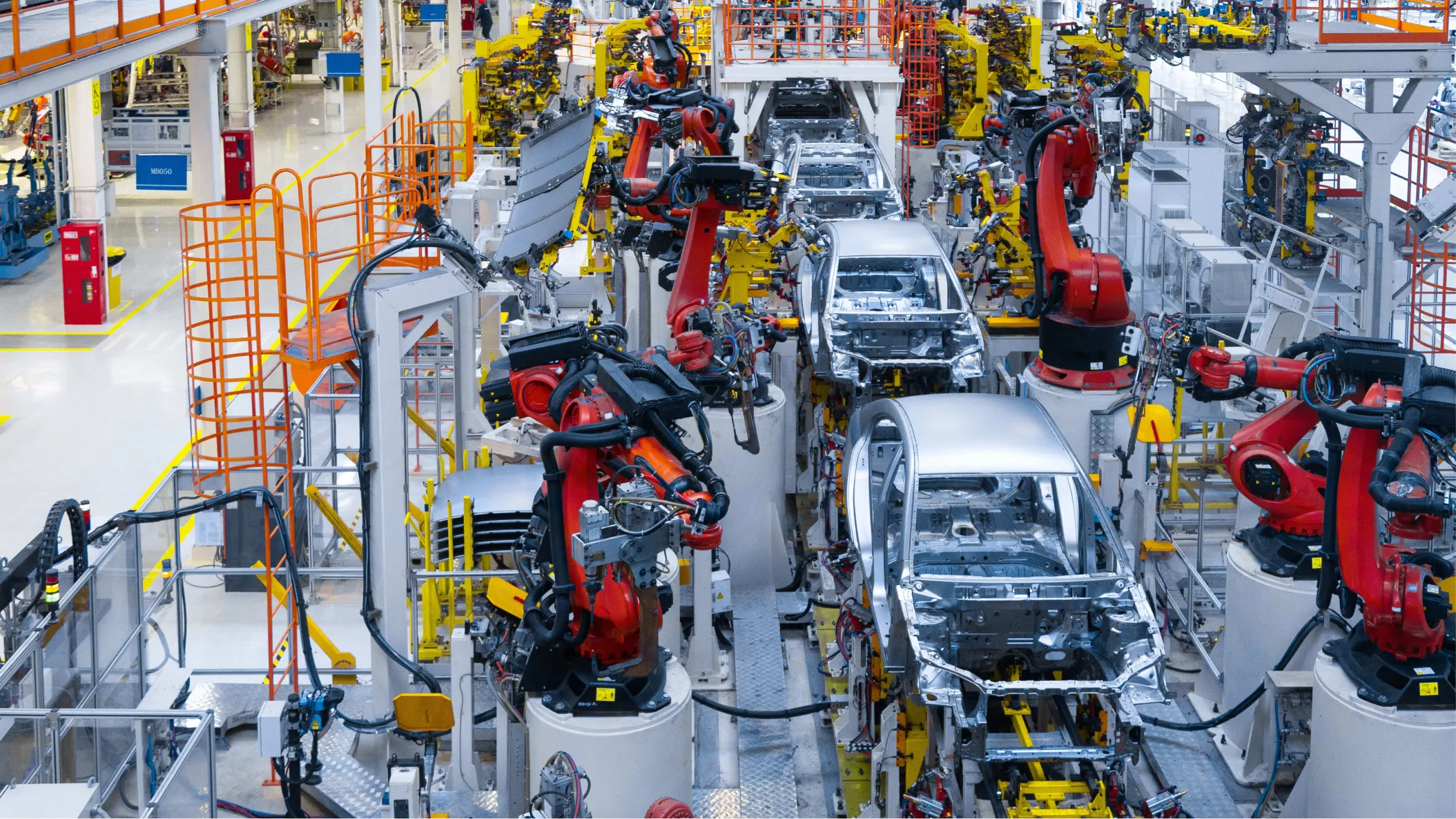
Automotive manufacturing has spent decades solving a very difficult problem:
How do you repeatedly build complex physical products, at high volumes, while improving quality, reducing cost and shortening production cycles?
That has led to a manufacturing model built around some fundamental principles:
- Design for manufacture
- Standardisation
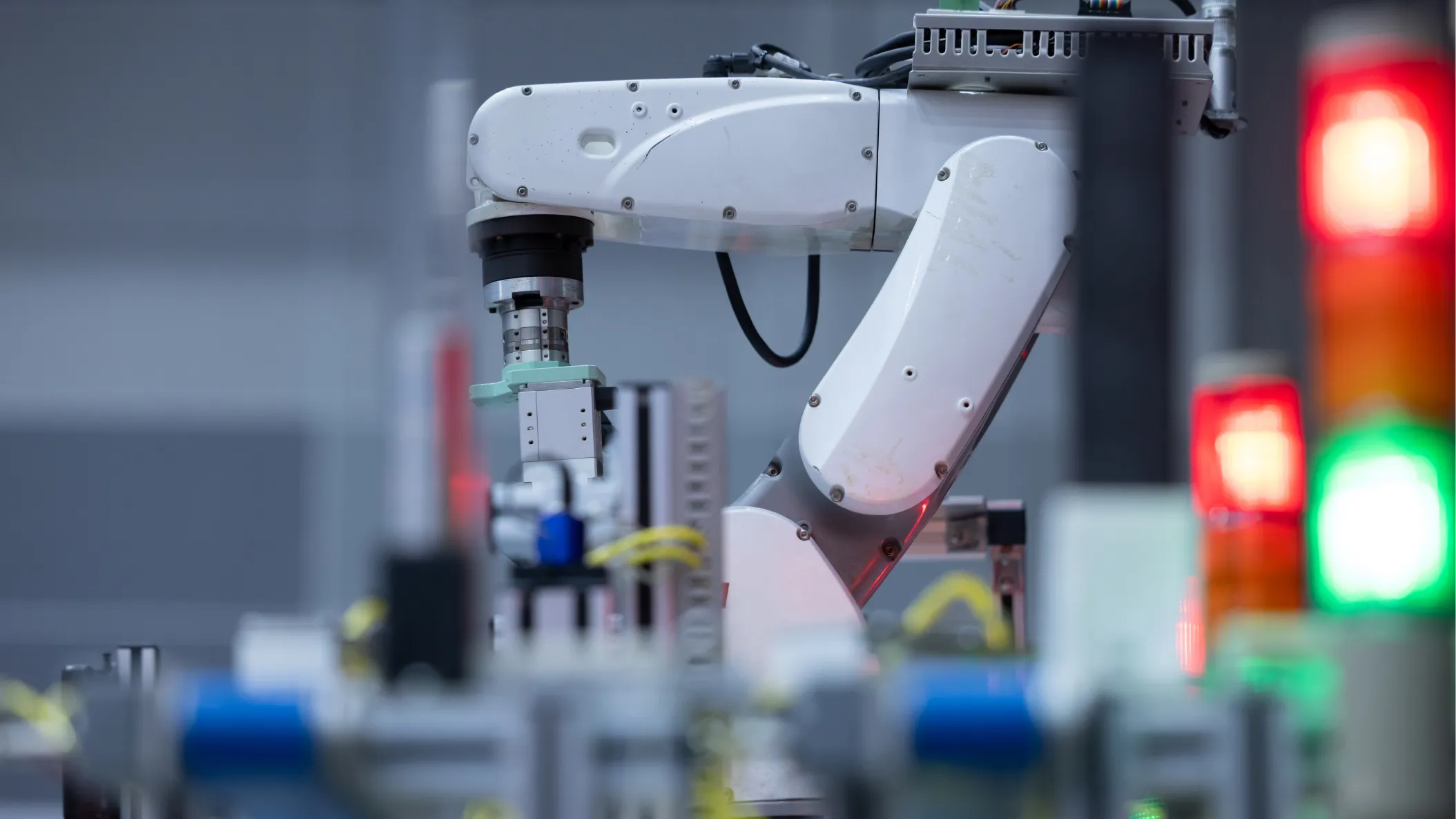
- Automation
- Supplier integration
- Continuous improvement
- Short feedback loops between engineering and production
These aren’t new ideas.
But they become very powerful when applied to industries that are now entering a new phase of production.
The Shift from Prototype to Production
A lot of emerging hardware companies are exceptionally good at building prototypes.
The challenge comes next.
Going from 10 units to 100 is difficult.
Going from 100 to 1,000 requires a completely different approach.
At that point, manufacturing can’t simply sit at the end of the development process. The product, supply chain, assembly process, testing strategy and factory all need to develop together.
That’s where the automotive influence starts to become clear.
Rather than:
Design > Develop > Prototype > Test > Manufacture
The process becomes much more integrated.
Engineering decisions are made with production in mind. Manufacturing feedback gets back into engineering quickly. Testing is designed around how the product will eventually be built.
The objective is to reduce the distance between creating something and being able to produce it repeatedly.
Physical AI Is a New Manufacturing Challenge
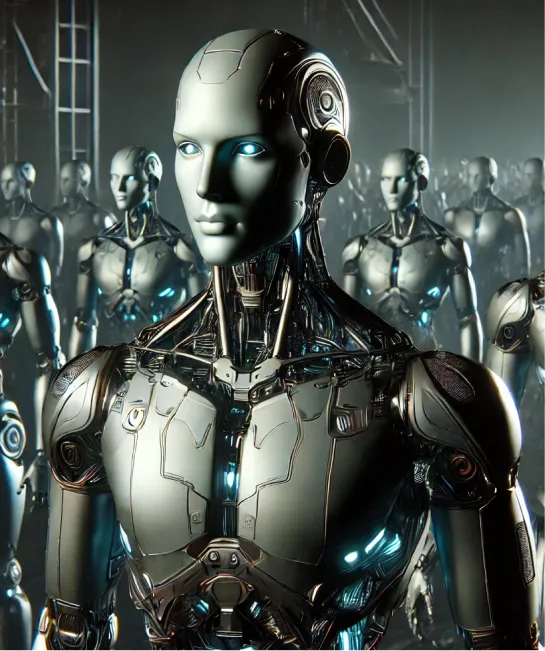
Humanoid robotics is perhaps the clearest example.
In the Western world, there has never been a mature, high-volume manufacturing industry for humanoid robots.
The companies building them today aren’t simply improving an established production process.
They’re creating one.
That means figuring out everything from component architecture and supplier strategy through to assembly, end-of-line testing, quality and automation.
XPENG is an interesting example because it already has much of the infrastructure and experience required to manufacture complex physical products at scale.
It is now applying that experience to humanoid robotics.
The question isn’t just whether the robot works.
It’s whether you can build 10,000 of them reliably.
Space and Defence Are Facing a Similar Opportunity
The same principles are being applied by a new generation of space and defence companies.
Again, this isn’t because traditional aerospace or defence manufacturing doesn’t work. The requirements are different, the products are highly specialised, and many programmes have been deliberately built around relatively low production volumes.
But some newer companies are starting with a different assumption.
They expect to manufacture at scale.
That changes the way the product is designed.
It changes how suppliers are selected.
It changes how testing is approached.
And it changes when manufacturing engineers need to be involved.
Castelion is a good example of this approach in defence, bringing engineering, testing and manufacturing together as part of the development process rather than treating production as a separate phase.
In space, companies building large constellations are facing a similar challenge.
Building one exceptional spacecraft is one problem.
Building hundreds or thousands of reliable spacecraft is another.
SpaceX Showed What Was Possible
SpaceX has arguably done more than any other company to demonstrate what happens when this mindset is applied to aerospace.
Its approach to vertical integration, rapid iteration and close integration between engineering, manufacturing and testing challenged some of the assumptions around how quickly complex aerospace hardware could be developed and produced.
The important point isn’t to copy SpaceX or automotive manufacturing wholesale.
It’s to recognise which principles create speed and apply them where they make sense.
Speed Compounds
This is where I think the real advantage lies.
If a company can design, build, test and iterate faster, it doesn’t just save time.
It gets more opportunities to learn.
More products can be tested.
More failures can be identified.
More data can feed back into engineering.
And the next version can enter production sooner.
That creates a feedback loop where manufacturing becomes part of the company’s ability to innovate.
For emerging hardware companies, that could be a significant competitive advantage.
The Manufacturing System Becomes Part of the Product
The biggest shift we’re seeing is that the factory is increasingly being considered alongside the product itself.
When you’re building something for the first time, you can’t simply buy an established production line and start making it.
You must design the manufacturing system as you develop the product.
That requires manufacturing, engineering, quality, supply chain and operations to work much more closely together from the beginning.
And the companies that get that right may be able to move from prototype to production significantly faster than those that treat manufacturing as something to solve later.
What Comes Next
I expect this trend to continue across physical AI, space, defence, energy and other advanced hardware markets.
The products will be completely different from the vehicles coming out of an automotive factory.
The factories will look different too.
But many of the manufacturing principles remain remarkably transferable.
- Design for production.
- Build tight feedback loops.
- Automate where it makes sense.
- Integrate suppliers early.
- Iterate quickly.
- And treat manufacturing velocity as a competitive advantage.
Automotive has spent decades refining these principles.
Now we’re seeing a new generation of companies take them into industries where the products, production volumes and opportunities are changing rapidly.
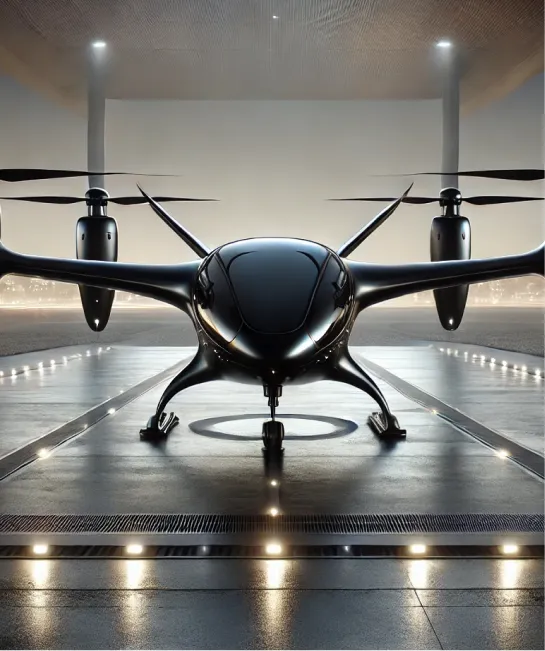
From EVs to drones, humanoids and spacecraft, the products are changing. The manufacturing challenge remains the same.
If you’re building or scaling manufacturing and operations capability across robotics, space, defence or advanced hardware, reach out to Dylan at dylan@akkar.com to connect with specialist talent across the market.
Dylan Jewell - dylan@akkar.com
Interested in working with us?
Reach out to us, and our team will connect with you within 24 hours.