

Motion Planning: The Intelligence Behind Humanoid Movement
There’s something uniquely fascinating about watching a humanoid robot navigate the world...

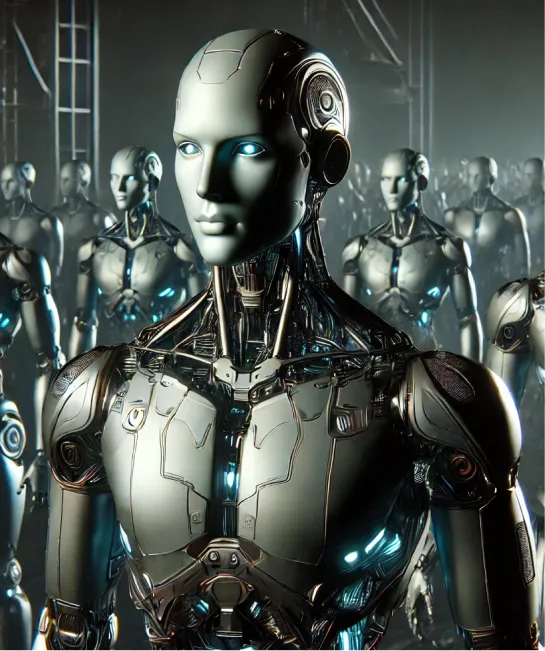
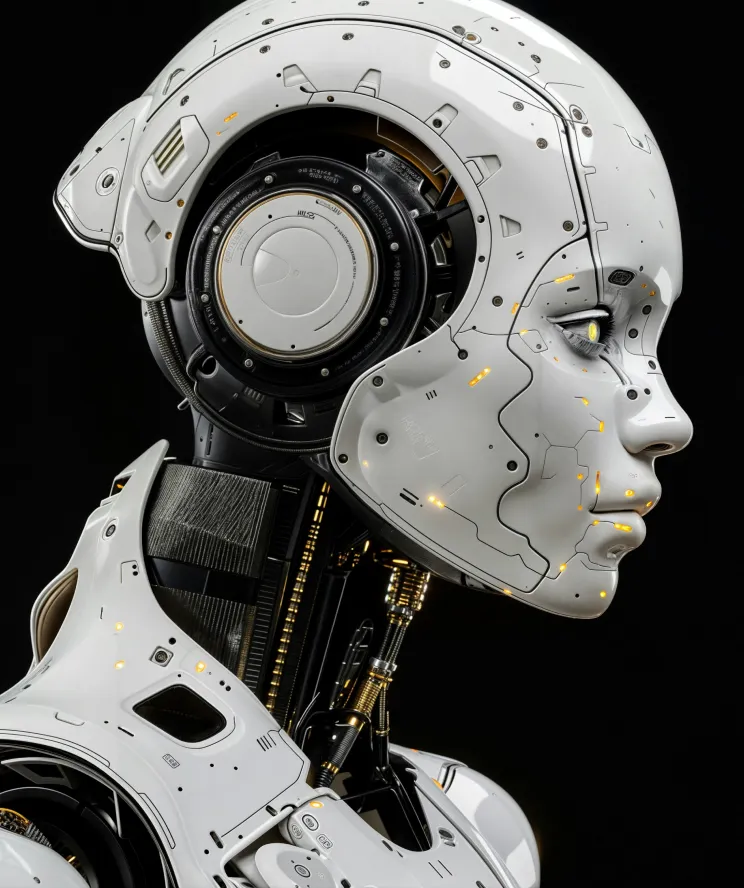
There’s something uniquely fascinating about watching a humanoid robot navigate the world. Not just moving from point A to point B, but doing so with awareness, sidestepping obstacles, adjusting posture, reaching around objects, and interacting with environments built entirely for humans.
At the heart of all of this is motion planning.
From Efficiency to Adaptability
In traditional robotics, motion planning has largely been about efficiency: finding the shortest path, avoiding collisions, and executing tasks reliably.
Humanoid systems raise the bar significantly. Instead of operating in controlled environments, they must function in cluttered, unpredictable, and dynamic spaces.
This is where motion planning becomes far more complex and far more interesting.
Movement That Belongs in Human Environments
Working closely with humanoid robotics companies, one thing becomes clear: the challenge is no longer just “can the robot move?” but “can it move like it belongs here?”
That means trajectories must be:
- Collision-free
- Stable and balanced
- Adaptable in real time
- Intuitive, even to human observers
Take something as simple as navigating around an obstacle.
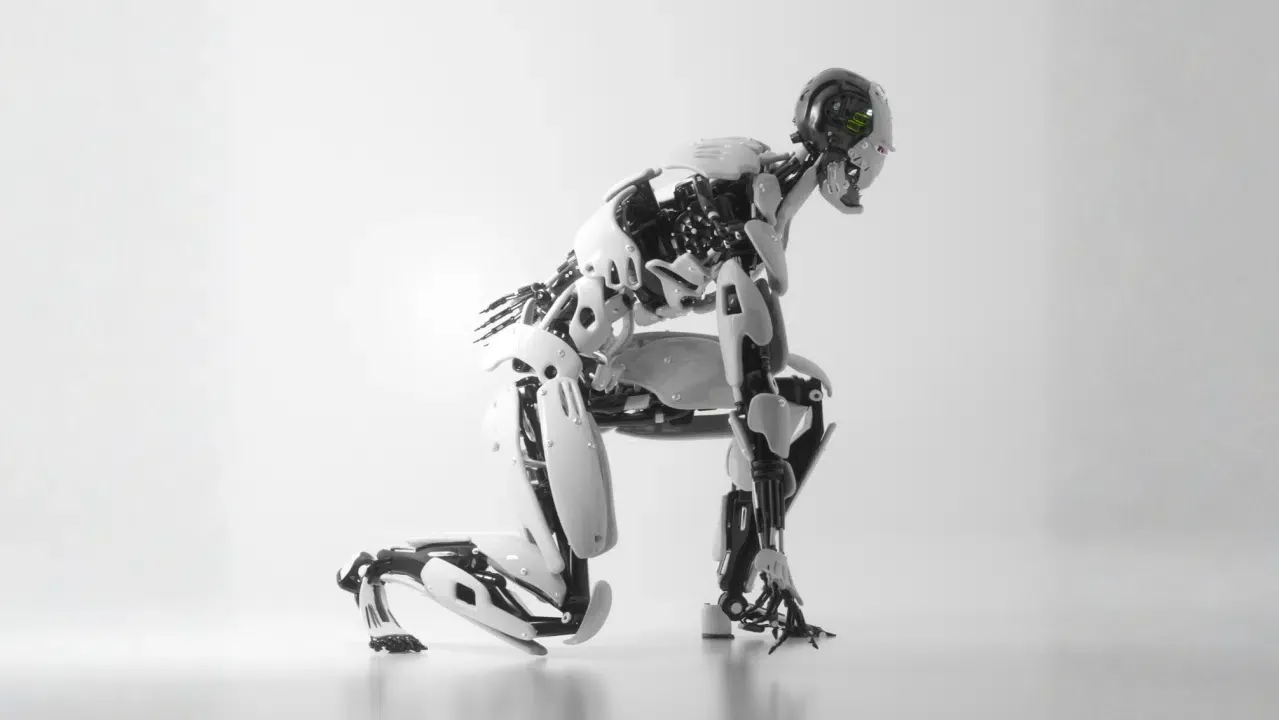
For a wheeled robot, this is a straightforward path planning problem. For a humanoid, it can involve shifting weight, adjusting foot placement, rotating the torso, and coordinating arm movement, all while maintaining balance.
Each of these elements requires multiple planning systems working together seamlessly.
The Convergence of Planning, Perception, and AI
Modern motion planning doesn’t exist in isolation.
It is increasingly fused with perception and learning.
Robots are no longer just executing precomputed paths. They are reacting continuously to the world around them:
- A misplaced object
- A moving person
- Unexpected terrain changes
All of these become part of the planning loop.
This integration of planning, control, and AI is what enables humanoids to move beyond controlled demos and into real-world environments.
A Rapidly Evolving Innovation Space
From both a talent and technology perspective, this field is moving at pace.
Startups and established players alike are pushing the boundaries by combining:
- Classical motion planning techniques
- Reinforcement learning
- Optimisation-based control
- Real-time feedback systems
The result is a new generation of robots that are not only more capable, but significantly more adaptable.
A Foundational Capability for the Future
Motion planning in humanoids is not just about algorithms.
It is a foundational capability that will enable robots to operate meaningfully in human environments.
Whether that’s:
- Supporting warehouse operations
- Assisting in healthcare settings
- Operating in domestic environments
The ability to move intelligently through complex spaces is critical.
And we’re still early.
Where Theory Meets Real-World Impact
As simulation continues to improve and hardware becomes more capable, motion planning will remain one of the defining factors in what humanoid robots can achieve.
It sits at a unique intersection:
- Mathematical theory
- Real-time systems
- Physical interaction with the world
Every incremental improvement has a direct, tangible impact on how robots function in reality.
For those working in robotics and autonomous systems, it’s one of the most rewarding areas to be in, where solving complex problems translates immediately into safer, smarter, and more capable machines.
If you’re looking to build and scale a team of expert simulation engineers across Europe and North America, reach out to morgan@akkar.com.
Interested in working with us?
Reach out to us, and our team will connect with you within 24 hours.